Artificial Plants For Hanging are becoming a practical way to add greenery without demanding weekly watering or bright windows. In 2026, the strongest options combine convincing foliage, secure hanging systems, and easier maintenance. This guide explores popular styles, from trailing pothos replicas to compact fern designs and flowering baskets.
A realistic choice begins with the space. Measure the ceiling height, window distance, and available hook strength. A lightweight basket may suit a rental hallway, while a fuller arrangement can anchor a covered balcony. Look closely at leaf color, vein detail, stem flexibility, and the texture of the planter. Glossy plastic often looks artificial under direct lighting. Subtle variation usually appears more natural.
Safety still matters. Check the total weight before installation, especially when children, pets, or moving air are nearby. Outdoor models should mention UV resistance, but that label does not promise endless color stability. Dust gathers quickly on elevated leaves. A soft microfiber cloth and occasional gentle rinse can preserve their appearance.
No plant is perfect.
Practical evaluations should consider how each design looks from below, not only from a product photograph. Some baskets seem lush online but appear sparse beside a large sofa. Others offer excellent realism yet have weak cords or awkward pots. That difference deserves attention. This overview will compare the 2026 top artificial hanging plants by realism, durability, installation ease, cleaning needs, and overall value. It will also acknowledge compromises, because a beautiful arrangement is not automatically the best one for every room.
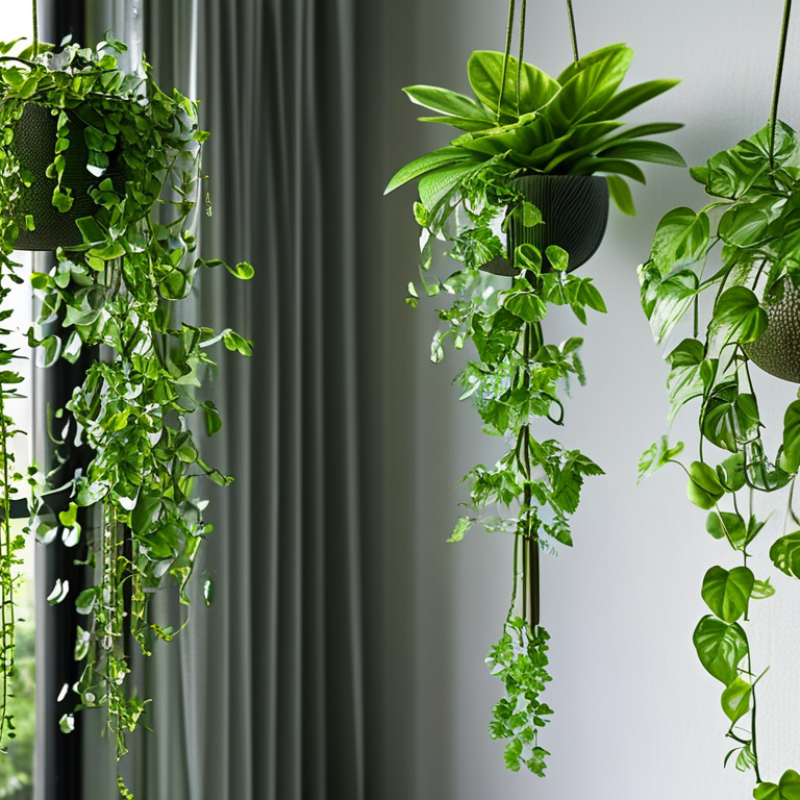
Artificial plants for hanging are decorative plants made from synthetic leaves, stems, and growing materials. They imitate trailing species such as ivy, ferns, and flowering vines. In 2026, improved textures and varied leaf colors make many designs appear more natural under ordinary indoor lighting.
Their main benefit is dependable greenery without watering, pruning, or sunlight. This helps busy households, offices, rentals, and rooms with limited windows. Hanging plants can also soften empty corners and add height without using floor space.
I have found that lightweight arrangements are easier to reposition, especially above shelves or beside narrow stairways. Secure hooks still matter. A beautiful plant is not useful if it falls.
Artificial plants can support cleaner routines because they do not shed soil or attract insects. However, they still collect dust. A soft brush or slightly damp cloth usually keeps the leaves fresh. For balconies or sunny rooms, choose materials labeled for UV resistance, since constant sunlight may cause fading. Keep the arrangement away from heaters and check its hanging hardware regularly.
Natural-looking stems, uneven leaf placement, and restrained colors often work better than excessive fullness. Some products look too perfect. That can feel artificial. I sometimes prefer a slightly imperfect arrangement, because real plants rarely grow in identical patterns. Buyers should also measure the ceiling height and allow space for movement, cleaning, and safe installation.
Choosing the 2026 top artificial plants for hanging begins with examining their construction, not just their appearance. High-quality leaves should show varied greens, natural veins, and slight differences in shape. Perfectly identical foliage often looks artificial from across the room. I learned this after installing a dense hanging basket that seemed attractive online but appeared flat under bright ceiling lights.
Material matters. Look for flexible leaves that resist cracking when gently moved. UV-resistant materials are important near windows, balconies, and glass doors. Without UV protection, colors may fade unevenly within months. Dust resistance is useful, but no plant is maintenance-free. A soft microfiber cloth or low-pressure air cleaning keeps narrow leaves presentable.
Check the hanger, pot, and total weight together. A secure hook and strong suspension cord reduce the risk of falling, especially in homes with children or pets. The container should sit level and hide the inner support structure. Measure the ceiling height before buying. Long vines can overwhelm a low room, while short foliage may disappear above tall furniture.
Texture also deserves attention. Combining trailing leaves with upright stems creates more believable depth. I prefer slight asymmetry because nature rarely grows in perfect circles. Still, some products overdo irregular shapes, making the arrangement look neglected rather than natural. Ask whether the plant suits the room’s light, wall color, and cleaning routine before choosing a style.
Key features to consider when choosing hanging artificial plants
The chart uses a 100-point evaluation framework for comparing hanging artificial plants. Visual realism and durability receive the highest weights, while maintenance, safety, installation, and environmental suitability also influence long-term value.
In 2026, hanging artificial plants are moving beyond simple plastic ivy. The strongest styles use layered shapes, varied leaf sizes, and believable gaps.
Trailing pothos remains practical for high shelves, while eucalyptus offers a softer, silvery texture. Ferns suit bathrooms and shaded balconies, but their fine leaves collect dust quickly. They need regular cleaning.
Grand View Research estimates the global artificial plants market will expand at roughly 5.5% annually through 2030. This growth reflects demand for low-maintenance greenery in homes, offices, and hospitality spaces.
Hanging designs benefit from that trend because they use vertical space without requiring floor area. String-of-pearls styles work well in narrow corners.
Artificial ivy creates fuller coverage around rails and ceiling hooks. Mixed greenery looks more natural than one repeated stem.
Hanging designs benefit from that trend because they use vertical space without requiring floor area.
Safety and realism still matter. Choose lightweight containers, secure hooks, and materials rated for the intended indoor or outdoor setting.
UV-resistant foliage usually keeps its color longer near bright windows, although no product remains perfect forever. In my experience, slightly irregular leaves look more convincing than identical shapes.
Some artificial plants are overly glossy. That weakness is easy to miss online.
Check leaf edges, stem flexibility, pot depth, and visible seams before buying.
A sparse arrangement may look unfinished at first, yet it often appears more natural after careful spacing.
What Are the 2026 Top Artificial Plants For Hanging?
In 2026, hanging artificial plants are moving beyond unused corners. The strongest choices include trailing pothos, delicate ferns, eucalyptus stems, and ivy-style cascades. Grand View Research’s 2024 Artificial Plants Market report projects steady global growth through 2030, with residential interiors remaining a major demand area. This supports a practical trend: people want greenery without watering, pruning, or direct sunlight.
The best locations are vertical and visible. Hang a trailing plant beside a bright window, but keep it away from harsh afternoon glare. A fern works well above a bathroom shelf or in a shaded entryway. In small rooms, place one basket above eye level to protect floor space. For a longer wall, combine two planters at different heights. Interior design guidance from the American Society of Interior Designers continues to highlight nature-inspired spaces and wellness-focused layouts. Still, too many identical plants can look artificial. I have found that slightly uneven lengths create a more believable cascade.
Tips: Choose matte leaves for realistic texture. Use lightweight pots with secure ceiling hardware. Leave 15 to 25 centimeters between the foliage and the wall. Dust leaves monthly with a soft microfiber cloth. Rotate the display occasionally. Perfect symmetry is tempting, but it often feels staged. A few imperfect angles can make the arrangement feel lived-in.
For 2026, the best hanging artificial plants should combine realistic trailing leaves with tested durability.
Industry estimates from Grand View Research place the global artificial flowers and plants market on a steady growth path, driven partly by low-maintenance interior decoration. Yet appearance is only one measure. Look for UV-resistant foliage, reinforced stems, and hanging hardware with a clearly stated load rating. ASTM G154 testing can indicate resistance to accelerated ultraviolet exposure, but it does not guarantee unlimited outdoor life.
Safety needs practical attention. The National Fire Protection Association reported 356,500 home structure fires in the United States during 2022. Artificial foliage should stay away from heaters, candles, cooking surfaces, and hot light fixtures. Never suspend a heavy planter from a weak ceiling panel. Use a suitable anchor, inspect the rope or chain monthly, and keep leaves clear of sprinklers, vents, and exit paths. Small details matter.
Care is simple, but often neglected. Dust leaves with a soft microfiber cloth every two weeks. For greasy residue, use diluted mild soap and test one hidden leaf first. Avoid soaking fabric foliage, since trapped moisture can encourage odors or mildew. The U.S. Environmental Protection Agency notes that indoor pollutant levels can be two to five times higher than outdoor levels, making regular dust removal sensible. Rotate plants near windows every few months. Even UV-rated materials fade. I would replace brittle stems early; waiting for a visible failure is an unnecessary gamble.
: Choose varied green shades, visible veins, and slightly different leaf shapes. Perfectly identical leaves can look flat under bright ceiling lights. Nature is uneven.
Select flexible foliage that resists cracking when gently moved. UV-resistant materials help reduce uneven fading near sunlight. They do not prevent fading forever.
Wipe the leaves with a soft microfiber cloth every two weeks. Use diluted mild soap for greasy marks. Test one hidden leaf first. Avoid soaking fabric foliage.
Measure the ceiling height before buying. Long vines may crowd a low room. Short foliage can disappear above tall furniture. The product photo may mislead you.
Check the pot, hanger, cord, and total weight together. Use a suitable ceiling anchor and confirm the hardware’s load rating. Never trust a weak ceiling panel.
Keep them away from heaters, candles, cooking surfaces, and hot light fixtures. Clear sprinklers, vents, and exit paths. Safety can look boring, but it matters.
Combine trailing leaves with upright stems for layered depth. Slight asymmetry usually looks more believable than a perfect circle. Too much irregularity may look neglected.
UV resistance can slow damage from sunlight. It does not guarantee unlimited outdoor life. Rotate plants near windows every few months and replace brittle stems early. I would not wait for a visible failure.
In 2026, Artificial Plants For Hanging offer a practical way to add greenery, color, and visual interest to homes, offices, balconies, and other indoor spaces without the maintenance required by living plants. This article explains their main benefits, including year-round beauty, flexible placement, and suitability for areas with limited sunlight. It also highlights key factors to consider when choosing a hanging artificial plant, such as realistic texture, durable materials, suitable size, secure hanging hardware, and a style that complements the surrounding décor.
The guide explores popular 2026 styles, including trailing vines, cascading foliage, compact floral baskets, and minimalist greenery. It also presents creative display methods for ceilings, shelves, windows, walls, and covered outdoor areas. Finally, readers will learn how to clean and maintain artificial plants, prevent dust buildup, check hanging supports, and position displays safely away from heat, moisture, and walkways. With thoughtful selection and proper care, hanging artificial plants can remain attractive and useful for years.

Senmao garden