The demand for "Tall Plant Fake" solutions is growing rapidly worldwide. As urban spaces expand, people seek ways to bring nature indoors without the maintenance of live plants. These innovative products offer a practical and aesthetic solution. They mimic the life-like qualities of real plants, providing greenery where sunlight is scarce.
In 2026, new trends are emerging in the tall plant fake market. Improved materials and technology make these fakes more realistic. Designers focus on creating variations that suit different tastes and environments. Some designs even incorporate technology to enhance visual effects. However, it’s important to reflect on the implications of relying on artificial solutions. Are we losing touch with real nature, or are we simply adapting to modern lifestyles?
As consumers gravitate towards artificial greenery, creativity flourishes. Brands aim to showcase their authenticity, bridging the gap between nature and urban living. Understanding these trends will help consumers make informed choices. Embracing "Tall Plant Fake" solutions is not just about aesthetics; it's a step towards sustainable living in a fast-paced world.
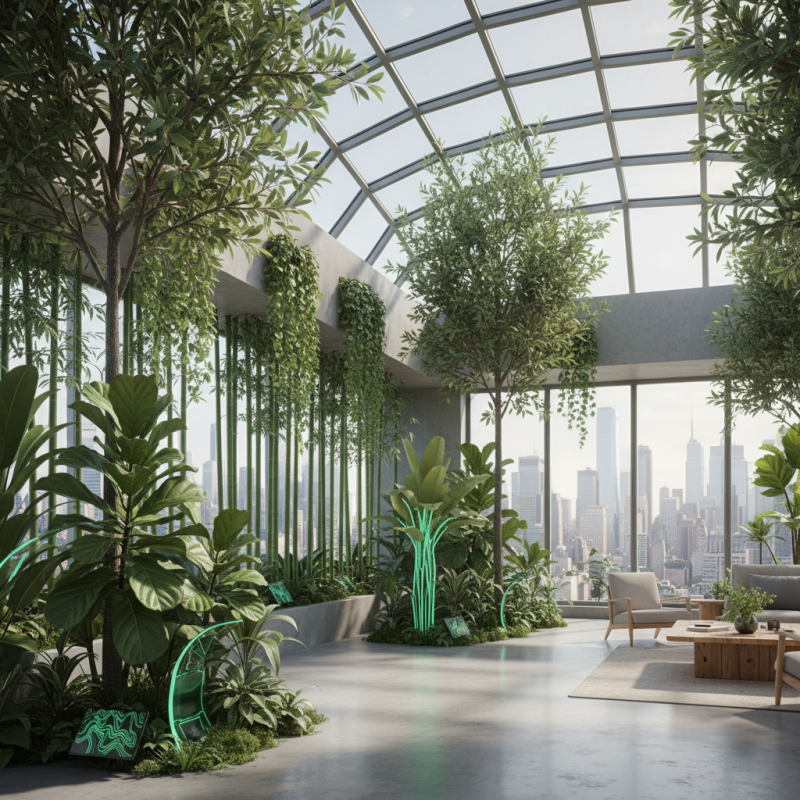
As the demand for tall plant fake solutions continues to rise, 2026 showcases some interesting trends in the industry. According to a recent market analysis, the global artificial plant market is projected to grow at a CAGR of 8.6% through 2026. This growth correlates with an increasing focus on aesthetics in both residential and commercial spaces. People seek greenery for improved ambiance, yet they prefer low-maintenance options.
One significant trend to watch is the advancement in materials. Manufacturers are exploring eco-friendly alternatives and realistic textures. Surveys show that 72% of consumers are more likely to purchase faux plants made from sustainable materials. Additionally, larger fake plants that mimic real species will gain traction. These tall solutions not only serve as statement pieces but also enhance indoor air quality perceptions. However, not all products in this segment meet high standards of realism. Many consumers have reported dissatisfaction with fading colors over time.
Lastly, customization is becoming crucial. Consumers desire unique solutions that fit their specific needs. Research indicates that 65% of buyers prefer options tailored to their interior design style. While online retailers are increasingly offering customization, the execution can vary significantly. Not all vendors provide the same level of detail and quality. This inconsistency can lead to buyer regrets, emphasizing the need for deeper research before making a purchase.
: Many manufacturers use biodegradable plastics for an eco-friendly option.
They break down naturally over time, reducing environmental impact.
It mimics real leaves closely, enhancing realism in home decor.
It allows for intricate, customizable designs that enhance uniqueness.
They provide aesthetic appeal without the maintenance of real plants.
Consider the size of your space and the height of your ceilings.
Some products still fall short of mimicking live plants, disappointing customers.
Low-quality materials can lead to an unappealing plastic look.
Yes, consumers increasingly seek beauty and convenience in their decor.
They can fill empty corners and bring life to dull spaces.
The article "2026 Top Trends for Tall Plant Fake Solutions Worldwide" explores the innovative advancements in the artificial plant industry, particularly focusing on tall plant fake solutions. As consumer preferences shift towards sustainable and realistic alternatives, manufacturers are increasingly utilizing eco-friendly materials in the creation of these tall artificial plants. Sustainability practices are becoming integral in production processes, catering to the rising demand for environmentally conscious products.
Additionally, the global market analysis highlights the diverse regional trends and consumer insights driving the tall plant fake market. As urban living spaces become increasingly compact, there is a growing preference for tall plant fake solutions that enhance interior aesthetics while requiring minimal maintenance. This evolution reflects a broader trend in home decor where the beauty of nature is increasingly simulated through innovative design and sustainable practices.

 Senmao garden